Encouraging Aging Adults to Prioritize Physical Activity Through Structured Exercise Guidelines
Wiki Article
Remaining energetic is crucial for people of every age group, but it becomes especially important as people mature. For elders, consistent physical activity helps maintaining self-reliance, enhances mobility, and boosts overall well-being. Detailed exercise guidelines deliver seniors with structured strategies to physical health that address coordination, flexibility, muscle endurance, and stamina. By adhering to carefully planned workout recommendations, older participants can enhance their well-being while lowering the chances of injuries, long-term illnesses, and cognitive decline.
Staying fit for older adults is not limited to intense routines or rigorous gym workouts. It concentrates instead on safe, consistent, and sustainable activity that fits personal capacities. Activities such as brisk walking, flexibility drills, yoga, and light resistance training aid in maintaining limberness and muscle tone. Heart-strengthening activities like aqua aerobics or indoor biking improve circulation, which are vital for maintaining stamina and stamina. These types of exercise also enhance mental function, as findings have shown that consistent activity can improve recall, outlook, and mental performance.
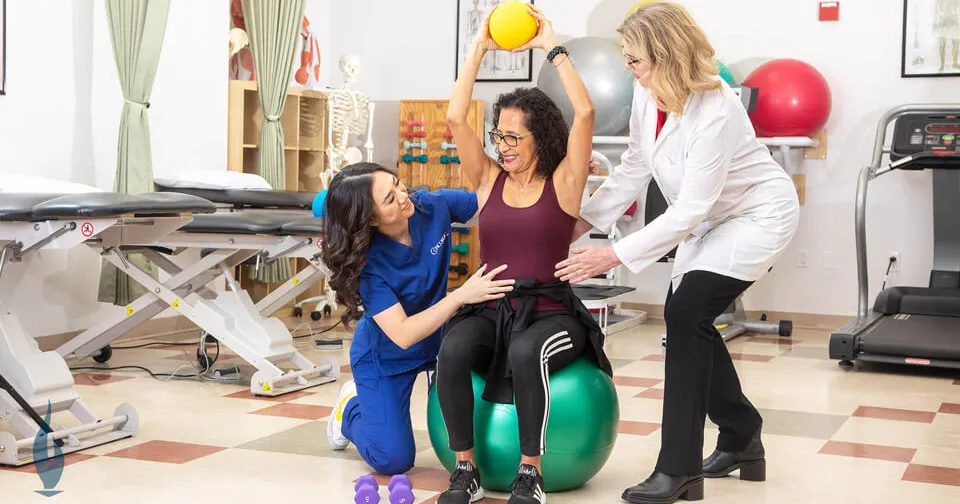
Thorough fitness recommendations prioritize a well-rounded strategy to wellness, covering muscular, emotional, and community dimensions of health. Participants are encouraged to begin slowly and progress at a manageable speed, ensuring security while avoiding strain. Adding warm-up and cool-down routines minimizes injury, while appropriate fluid intake and meal balance support training outcomes. Additionally, group fitness environments—such as senior workout groups or fitness meetups—provide opportunities for social interaction, engagement, and emotional support, which are just view publisher site as vital to total wellness.
Qualified instruction plays a important function in assisting seniors develop customized fitness programs. Seeking advice from physicians, physical therapists, or exercise professionals ensures that plans are aligned to individual health conditions, physical capabilities, and objectives. These specialists can design safe workout protocols that account for issues such as joint conditions, skeletal weakness, or heart health concerns. Through regular monitoring and adjustment, fitness routines stay productive and enjoyable, promoting lasting adherence and success.
Ultimately, empowering older adults to adopt exercise through structured fitness frameworks fosters a culture of healthy living. When seniors are equipped with information, confidence, and organized systems, they develop confidence in their strength and enjoy greater independence. Regular more exercise improves not only muscle capacity but also mental clarity and well-being. By prioritizing inclusive, well-guided fitness programs, communities can help that each older adult has the chance to lead a active, vibrant, and rewarding lifestyle.